Today in 10 Seconds
Gospel: Jesus demands the ultimate question: Who do you say I am? Rosary: Joyful Mysteries Pope: Unity born from holy friction between Peter and Paul NPR: Fed governor Lisa Cook survives Supreme Court challenge TechCrunch: Rocket Lab's $8 billion bet to dethrone SpaceX Saint: Enemies united: Peter and Paul's holy collision
— † —
Matthew 16:13-19
"When Jesus came to the region of Caesarea Philippi he put this question to his disciples, ‘Who do people say the Son of Man is. ’ And they said, ‘Some say he is John the Baptist, some Elijah, and others Jeremiah or one of the prophets. ’ ‘But you,’ he said ‘who do you say I am."
| ? |
Test Your Faith IQ |
Scripture |
|
|
In today's Gospel, Jesus renames Simon as 'Peter' (Petros/Kepha). What language was Jesus most likely speaking when he said 'You are Rock'?
- A) Greek, using the word 'Petros'
- B) Aramaic, using the word 'Kepha'
- C) Hebrew, using the word 'Tsur'
- D) Latin, using the word 'Petra'
Answer at the bottom of this newsletter.
|
 Photo: Vatican News
VATICAN NEWS
Pope Leo XIV reflects on how Saints Peter and Paul, despite their different characters and backgrounds, were unified by the Holy Spirit to build the Church. The Pope uses the apostles' example to speak to the Church's need for unity amid its diversity.
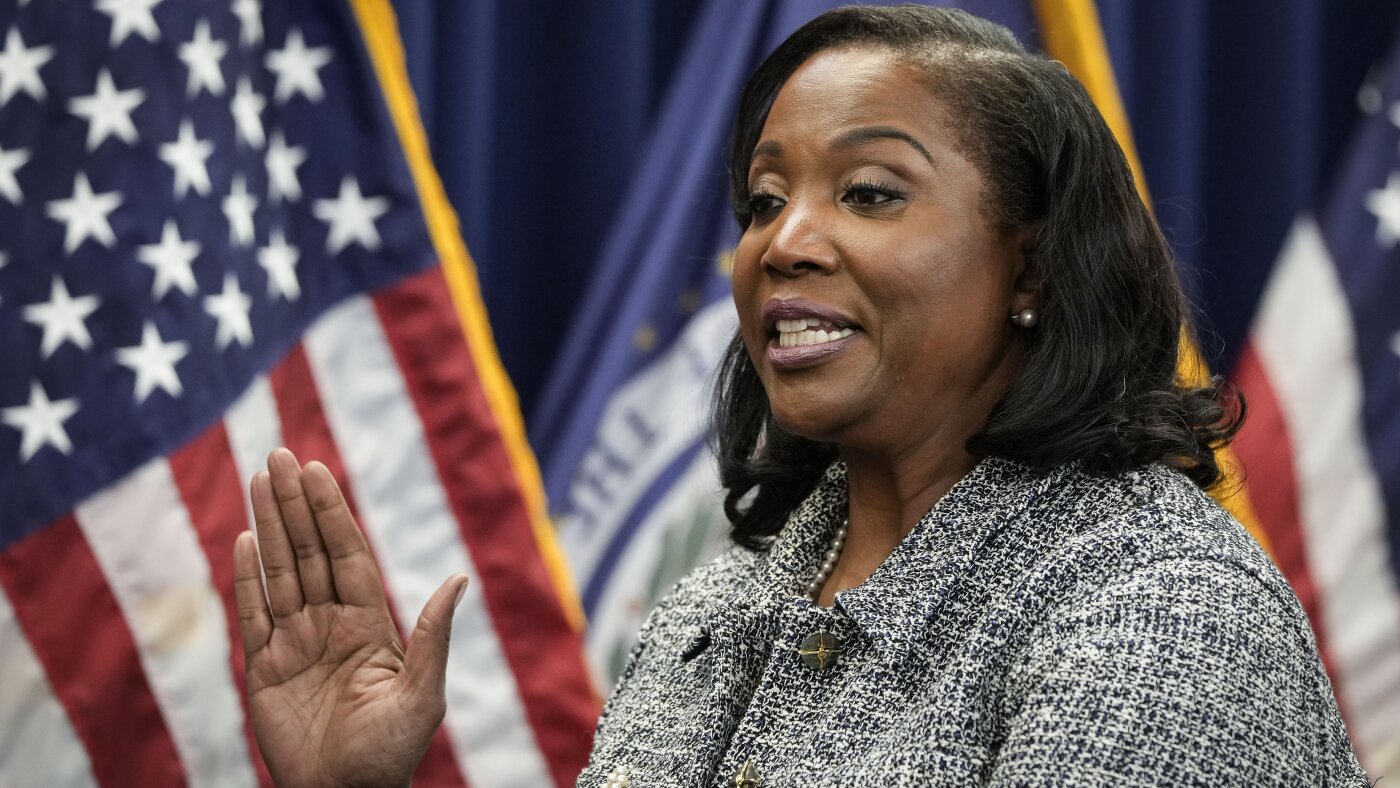 Photo: NPR
NPR
The Supreme Court ruled that Federal Reserve governor Lisa Cook can remain in her position while her legal challenge to her dismissal works through lower courts.
| † |
FAITH & THE WORLD |
Romans 13:1-2 |
|
|
"Let every person be subordinate to the higher authorities, for there is no authority except from God, and those that exist have been established by God."
CCC 1897-1904 (Authority and the Common Good)
The Catholic tradition holds that legitimate authority exists to serve the common good, not to consolidate power (CCC 1903). When institutions check each other's reach, they mirror something the Church has always insisted on: authority without accountability becomes tyranny, and the law must protect persons from arbitrary removal.
Reflect → Where in your own life do you exercise authority, and is it ordered toward the good of others or the comfort of yourself?
|
 Photo: TechCrunch
TechCrunch
Rocket Lab acquired satellite company Iridium in an $8 billion all-stock deal, intensifying its competition with SpaceX and Amazon for dominance in space.
| † |
FAITH & THE WORLD |
Genesis 11:4 |
|
|
"Then they said, 'Come, let us build ourselves a city and a tower with its top in the sky, and so make a name for ourselves; otherwise we shall be scattered all over the earth.'"
Laudato Si' 104-106 (Technology and Human Purpose)
Pope Francis warns in Laudato Si' that technology becomes dangerous when the drive to dominate outpaces the wisdom to ask, "Should we?" (LS 105). Billion-dollar space races can serve humanity through global communication, but only if the ambition stays tethered to the common good rather than to the raw will to power.
Reflect → When you pursue something ambitious, how often do you stop to ask who it's actually for?
|
 Photo: Upworthy
Upworthy
A psychologist argues that socially awkward people have historically thrived because their intense focus and pattern recognition give them hidden advantages.
| † |
FAITH & GOOD NEWS |
1 Corinthians 1:27 |
|
|
"God chose the foolish of the world to shame the wise, and God chose the weak of the world to shame the strong."
CCC 1936-1937 (Diversity of Gifts and God's Plan)
The Catechism teaches that differences between people are part of God's plan, intended so that we need one another and share our gifts (CCC 1937). The awkward kid who couldn't small-talk at the party might be the one God designed to see what everyone else missed.
Reflect → What gift in yourself have you dismissed because the world doesn't celebrate it?
|
| Rosary Mystery of the Day | |
| † |
Today's Mysteries |
Monday: Joyful Mysteries |
|
|
Joyful Mysteries
- 1. The Annunciation
- 2. The Visitation
- 3. The Nativity of Our Lord
- 4. The Presentation in the Temple
- 5. The Finding of the Child Jesus in the Temple
|
| † |
Apologetics |
Papal Authority |
|
|
The Objection
"Why do Catholics have a Pope? The Bible never says one man should run the whole Church."
The Catholic Response
Today's Gospel is the primary text: Jesus singles out Peter from the other apostles and gives him alone the 'keys of the kingdom' (Matthew 16:18-19), language drawn from Isaiah 22:22, where the king of Israel hands governing authority to a single steward. The early Church understood this. St. Irenaeus, writing around 180 AD, listed the bishops of Rome in unbroken succession from Peter and called Rome the church with which all others must agree (Against Heresies 3.3.2). The Catechism teaches that the Pope, as Peter's successor, has 'full, supreme, and universal power over the whole Church' (CCC 882). This isn't about one man's ego; it's about Christ's design for visible unity so the Church doesn't splinter into ten thousand competing interpretations.
Matthew 16:18-19 | Isaiah 22:22 | CCC 880-882 | Irenaeus, Against Heresies 3.3.2
|

|
DAILY WORD GAME
Test your Catholic vocabulary
|
 |
| † |
Saint of the Day |
June 29 |
|
|
Saints Peter and Paul
Peter and Paul almost certainly never got along easily. Paul publicly rebuked Peter to his face in Antioch for caving to social pressure about eating with Gentiles (Galatians 2:11). The Church celebrates them together not because they were best friends, but because God built his Church on two men who disagreed and still gave their lives for the same Lord.
June 29 is the Solemnity of Saints Peter and Paul, and today's Gospel is the very moment Jesus named Peter the rock of the Church.
|
Trivia Answer
B . Jesus spoke Aramaic, and 'Kepha' (Cephas) is the word he used, meaning 'rock.' The Greek New Testament then translated it as 'Petros,' but in Aramaic there's no gender distinction, so the wordplay is even stronger: 'You are Kepha, and on this kepha I will build my Church.'
|
|
