Today in 10 Seconds
Gospel: Jesus glows between Moses and Elijah Rosary: Luminous Mysteries Pope: Prayer: the ultimate act of hope NPR: El-Sayed wins; Fauci faces reckoning CBS News: Oil's lifeline: Iran, Oman strike deal Saint: Victory's feast born from battlefield news
| ? |
Test Your Faith IQ |
Church History |
|
|
The Feast of the Transfiguration (August 6) also marks another major historical event. What else happened on August 6, 1945, that Pope Paul VI later referenced in connecting this feast to peace?
- A) The liberation of Rome by Allied forces
- B) The atomic bombing of Hiroshima
- C) The signing of the United Nations Charter
- D) The end of the Spanish Civil War
Answer at the bottom of this newsletter.
|
 Photo: Vatican News
VATICAN NEWS
Pope Leo XIV delivers his fifth catechesis on Sacrosanctum Concilium, reflecting on the ecclesial dimension of liturgical prayer and describing the profound spiritual significance of prayer as an expression of hope in the life of the Church.
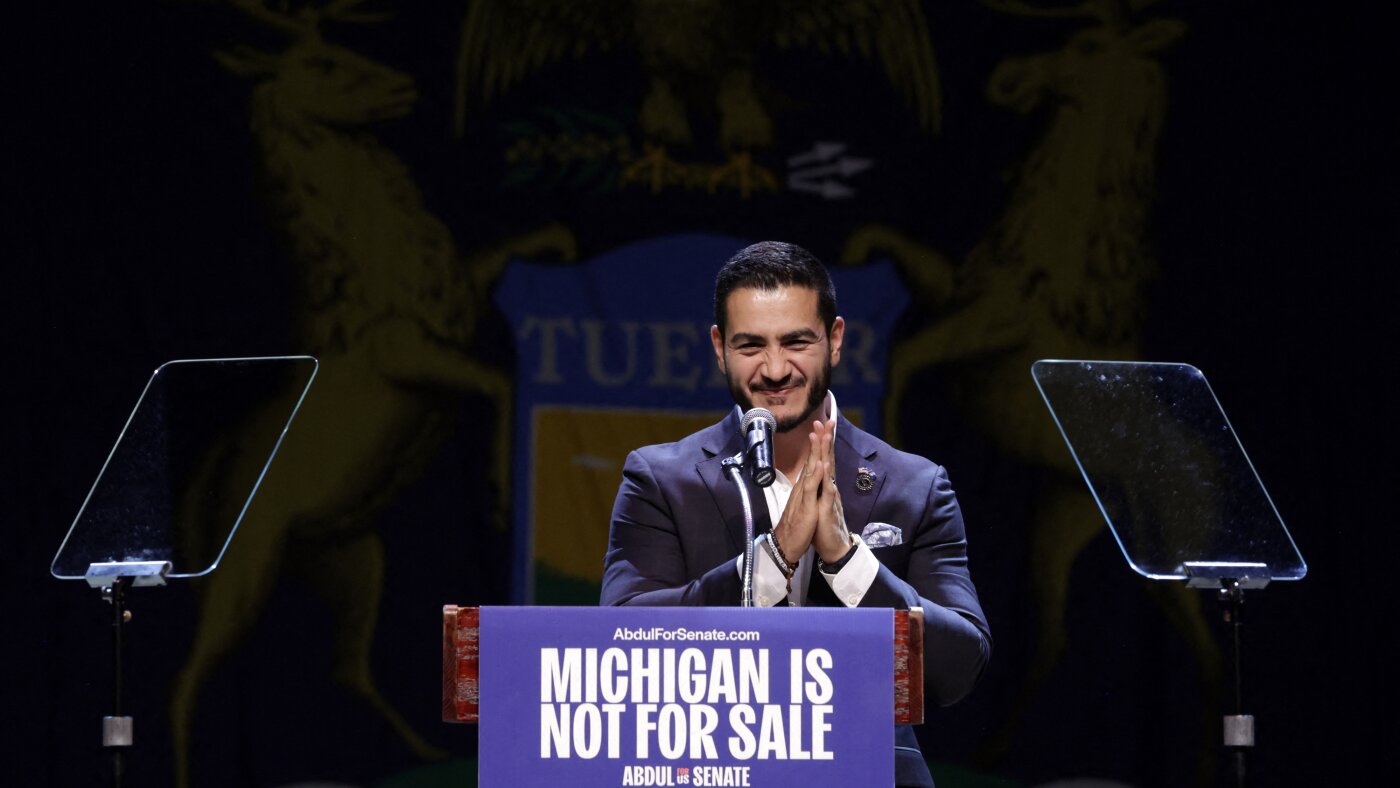 Photo: NPR
NPR
Abdul El-Sayed wins Michigan's Democratic Senate primary while Dr. Anthony Fauci faces a contempt of Congress vote, putting both democratic accountability and political ambition in the spotlight.
| † |
FAITH & THE WORLD |
Micah 6:8 |
|
|
"You have been told, O mortal, what is good, and what the LORD requires of you: only to do justice, to love goodness, and to walk humbly with your God."
CCC 1897-1904 (Authority in Society)
The Catechism teaches that every human authority is borrowed from God and must be exercised as service, not domination (CCC 1902). Whether winning an election or facing congressional scrutiny, the standard is the same: power exists to serve the common good, and those who hold it will answer for how they used it.
Reflect → When you've had authority over someone this week, did you use it to serve them or to protect yourself?
|
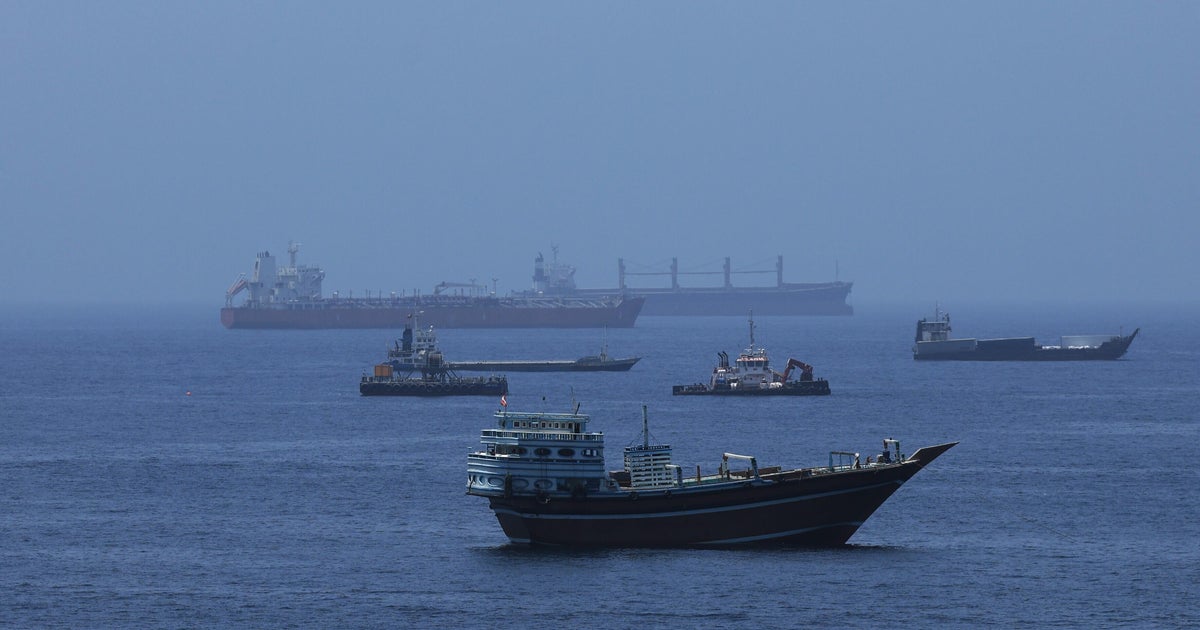 Photo: CBS News
CBS News
Iran and Oman are nearing a deal on the Strait of Hormuz that would partially reopen the vital waterway through which a fifth of the world's oil passes.
| † |
FAITH & THE WORLD |
Matthew 5:9 |
|
|
"Blessed are the peacemakers, for they will be called children of God."
Pacem in Terris (Pope John XXIII, 1963)
John XXIII wrote that true peace is not merely the absence of war but requires the establishment of an order "founded on truth, built according to justice, vivified and integrated by charity" (Pacem in Terris, 167). A partial deal on a shipping lane isn't peace; it's a truce between self-interested parties, and the Church reminds us to keep pushing until the order underneath is actually just.
Reflect → Where in your life have you settled for a truce when real reconciliation is still needed?
|
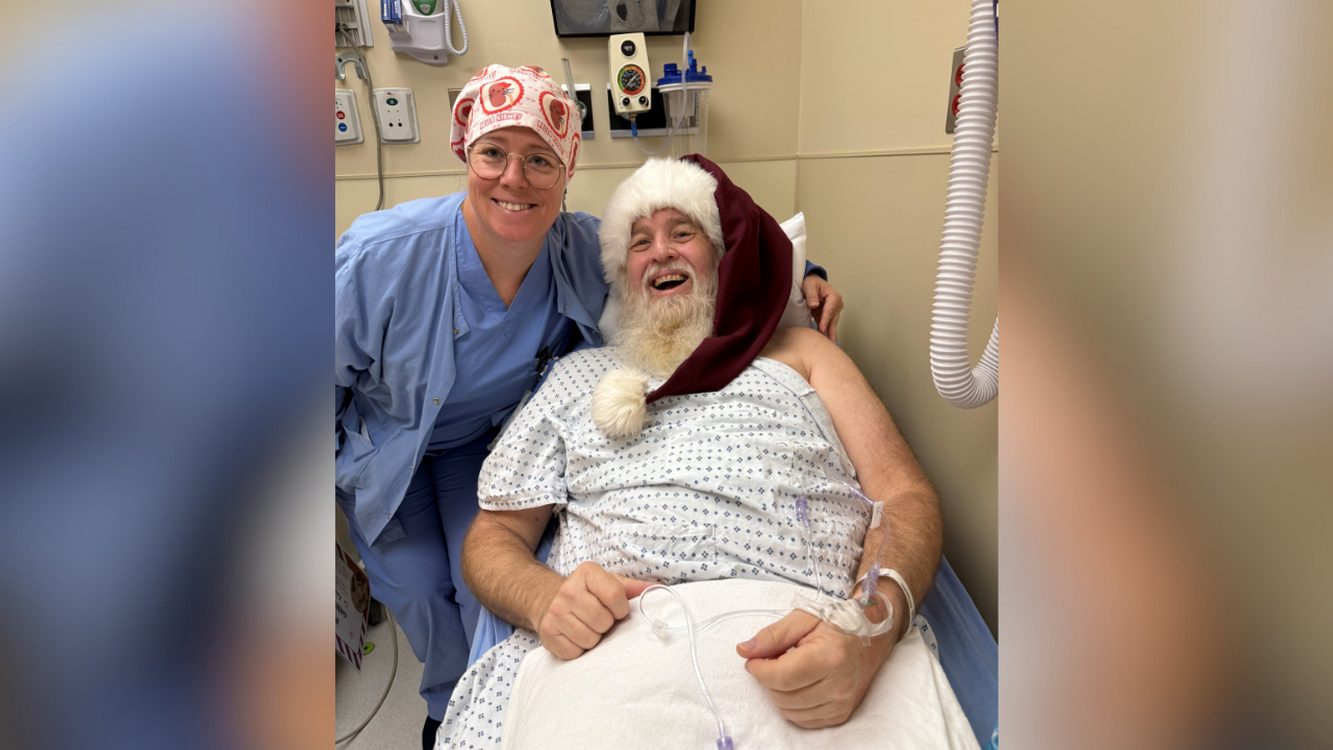 Photo: Good News Network
Good News Network
A Virginia man known for dressing as Santa Claus every Christmas donated his kidney to someone in need, turning his yearly generosity into a literal gift of life.
| † |
FAITH & GOOD NEWS |
John 15:13 |
|
|
"No one has greater love than this, to lay down one's life for one's friends."
CCC 2296 (Organ Donation as an Act of Charity)
The Catechism calls organ donation "a noble and meritorious" act and a genuine expression of solidarity (CCC 2296). This man didn't just play a character who gives gifts once a year; he gave away a piece of his own body, echoing the self-gift that Christ makes in the Eucharist.
Reflect → What part of yourself, not just your money or time but yourself, are you willing to give for someone else's sake?
|
— † —
Matthew 17:1-9
"Jesus took with him Peter and James and his brother John and led them up a high mountain where they could be alone. There in their presence he was transfigured: his face shone like the sun and his clothes became as white as the light. Suddenly Moses and Elijah appeared to them; they were talking with him."

|
DAILY WORD GAME
Test your Catholic vocabulary
|
| Rosary Mystery of the Day | |
| † |
Today's Mysteries |
Thursday: Luminous Mysteries |
|
|
Luminous Mysteries
- 1. The Baptism of Christ in the Jordan
- 2. The Wedding Feast at Cana
- 3. The Proclamation of the Kingdom of God
- 4. The Transfiguration
- 5. The Institution of the Eucharist
|
|
|
|
The Objection
"Why do Catholics pray to saints? They're dead. The Bible says there's one mediator between God and man, which is Jesus. Praying to saints is basically necromancy."
The Catholic Response
Catholics don't pray to saints the way we pray to God. We ask them to intercede for us, the same way you'd ask a friend to pray for you, except these friends are alive in Christ (Luke 20:38: "He is not God of the dead, but of the living"). Today's Gospel actually shows this principle in action: Moses and Elijah, both physically dead for centuries, appear alive and talking with Jesus at the Transfiguration (Matthew 17:3). The Catechism teaches that the saints in heaven are more, not less, united to us and to Christ, and their intercession is their "most exalted service to God's plan" (CCC 956).
CCC 956 | CCC 2683 | Luke 20:38 | Matthew 17:3 | Revelation 5:8
|

|
| † |
Saint of the Day |
August 6 |
|
|
The Transfiguration of the Lord
Pope Callixtus III extended this feast to the universal Church in 1457 to celebrate the Christian victory at the Siege of Belgrade. The news of the victory arrived in Rome on August 6, and Callixtus decided the feast already on the calendar for that day was the perfect frame: Christ's glory revealed on a mountaintop became a lens for reading a seemingly impossible military deliverance.
August 6 is the Feast of the Transfiguration, which is also today's Gospel reading where Peter, James, and John witness Christ's hidden glory made visible on Mount Tabor.
|
Trivia Answer
B . The atomic bomb was dropped on Hiroshima on August 6, 1945, the Feast of the Transfiguration. The terrible irony of a blinding flash of destruction on the day commemorating Christ's blinding flash of glory has led many Catholic writers and popes to use this feast as a call for nuclear disarmament and peace.
|
|
